
为什么 Maker 不让 AI 去写代码。
应用生成器让语言模型即兴写代码。结果时而惊艳,却往往脆弱 —— 每一次修正都可能引发另一处崩坏。Maker 依赖一种不同的分工方式。
AI 做它最擅长的事:理解你的需求。构建器做机器最擅长的事:执行计划,每次都分毫不差。
分工 —— Maker 的根基为每一种结构化管理需求而生。
凡有实体、流程、状态和指标之处,Maker 都能制定计划:工单、订单、库存、排班、客户跟进。
 工单
工单 库存
库存 客户跟进
客户跟进 你的需求
你的需求 订单
订单 排班
排班 指标
指标
这对你意味着什么。
Maker 生成的应用不是即兴之作:它执行的是一份经你确认的计划。当你调整需求时,计划随之改变 —— 构建也随之跟进,不产生副作用。
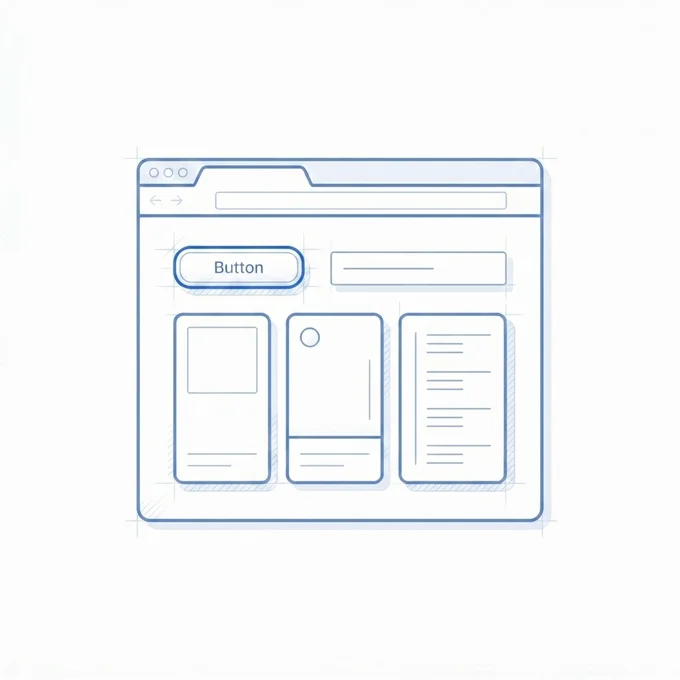
设计系统不是可选项。
每个应用都由一套专业组件系统组装而成 —— 与构建本网站的是同一套。
归属不容商量。
生成的代码从一开始就归你所有。ZIP 导出、推送到 GitHub、任意托管。Maker 是建造者,不是房东。
制造
构建一个应用有两种方式。 只有一种能经受时间。
每个生成器在第一次尝试时都令人惊艳。真正区分它们的,显现于制造过程之中––以及日后需要修改之时。这里,同一个需求,从头到尾被完整追踪。
第一幕:制造
从你的想法到第一个 版本。
同一个起始需求:「一个用来跟踪我的技师工单的工具,须遵守 4 小时的期限」。
一个让 ai 编写代码的生成器
一句话,用自然语言。
界面、数据、规则:一次性全部产出。你看不到途中做了哪些决定。
maker:ai 制定方案
同样一句话,用你自己的话。
它列出所理解的内容:你的技师、你的工单、你的 4 小时期限。此时尚未制造任何东西。
用自然语言,而非代码。期限是 6 小时而不是 4 小时?你在这里改,一行即可––在任何一行代码存在之前。
不可预测在此止步
没有修正循环
构建器应用久经检验的规则:代码之所以站得住,是因为它被组装而非即兴发挥。
它们应用固定规则,每次生成都被原样重放。代码之所以站得住,是因为它被组装而非即兴发挥––没有修正循环。
在其专属 URL 上。而你确认过的方案仍可查阅––它就是基准。
第二幕:偏移
这些修正对 你最初的需求做了什么。
当 AI 一次又一次地重读并重写自己的代码时,它重放的不是你的需求––而是它上一次的尝试。你所要求的会逐渐走样,却没有任何东西提醒你。
没有书面基准
规则变了,没人看见。 没有任何文档可供比对:你需求的唯一痕迹就是你敲下的那句话,而代码已不再与它相像。
方案就是基准
代码可以按需要重造任意多次,规则不会移动。 它不在代码里:它在你批准过的方案里。
第三幕:修改
日后,你想添加一个状态「逾期」。
正是在这里,差距最为明显。
又回到循环
它重读一段自己已经重写过多次、且并非如此设计的代码。
代码变厚,修正堆叠,随着应用老化,循环越拉越长。
回到方案
就是你确认过的那份。它还在,依然可读。
状态「逾期」:当 4 小时的期限被超过时。你重读,你确认。
方案的其余部分没有变动
方案中未改动的部分,在应用里也不会变。一次迟来的修改所需的功夫,和一次早期修改相同。
这对你意味着什么
| 标准 | ai 编写代码 | blueprint maker |
|---|---|---|
| AI 的角色 | ai 编写代码:编写并重写代码 | maker:制定方案;骨架是被编译的,而非写出来的 |
| 交付之前 | ai 编写代码:一轮轮修正,需付费 | maker:没有任何修正轮次 |
| 你确认的内容 | ai 编写代码:什么都没有––你直接看到结果 | maker:方案,用自然语言,在制造之前 |
| 你最初的需求 | ai 编写代码:每次修正都走样 | maker:保持书面,始终是基准 |
| 一次修改 | ai 编写代码:在整个项目上重启循环 | maker:更改方案中的一行 |
| 随着时间 | ai 编写代码:每次修正都引出下一次 | maker:修改的成本不会失控 |
| 你的代码 | ai 编写代码:常被留在平台上 | maker:ZIP 导出、GitHub 推送、自行托管 |
我们的理念
是什么把 Blueprint 与一个普通的应用生成器区分开来。
几乎所有人都忽视的那个问题
由人工智能驱动的应用生成器会写代码。当模型出错时,它出错时的自信与它正确时别无二致 —— 而在产出的代码中,没有任何东西能把两者区分开来。
我们在拒绝这种妥协的基础上构建了 Blueprint。以下这些原则支配着我们的系统做什么,尤其是它拒绝做什么。
我们所坚守的
我们不随意生成代码
Blueprint 不会让模型逐行写你的应用。它首先产出一份规格 —— 对应用应有形态的结构化、可核验的描述 —— 然后依据这份规格,以确定性的方式生成代码。
结果很简单:同一份规格两次,就会产出同一个应用两次。Blueprint 的可靠性是可证明的,而非或然的。
错误无害之处,模型自由;错误有害之处,模型受限
并非所有错误都等值。表单排布上的一处笨拙,转瞬即可修正。一条错误的业务规则,会悄然渗入每一个依赖它的计算。
在风险局部且可修复之处,我们赋予人工智能自由;在错误将无形且持久之处,我们对它严加约束。模型的回旋余地,与可能过失的严重程度相称。
我们的可靠性不取决于当下的模型
模型进步飞快;它们在变化。Blueprint 不把可靠性押在某个特定模型的才能上。保证你应用正确性的业务知识,存在于一份由专家策展的知识库中供模型查阅 —— 而非存在于模型本身。
更好的模型让 Blueprint 更好。没有任何模型会让 Blueprint 出错。
当系统不知道时,它会告诉你
这是我们最重要的承诺,与生成式 AI 的默认行为恰恰相反。面对无法确定的情形,Blueprint 宁可存疑,也不臆测。一处标明的空白是健康的状态;一处貌似合理的臆造,则是过失 —— 因为你无法把它与事实区分开来。
每一次推断都带着它的确定程度
当 Blueprint 解读你的需求时,它绝不会把一个猜测当作既定事实那样自信地呈现。可信程度会一路随信息传递到你手中。你始终知道什么是确定的,什么需要你亲自过目。
我们的方向
在今日所保证的之外,有两条要求指引着我们的工作:
- 产出与你业务真实高度相称的应用 —— 不是勉强「能用」的最小结构,而是你的业务应得的深度。
- 忠实于你所描述的领域,绝不为图省事而滑向一个通用方案。
这些是我们正逐步落实的方向,在尚未实现之前,我们拒绝把它们宣称为既成。这也是一种信守承诺的方式。
Blueprint —— 先有规格,后有应用。绝不随意。